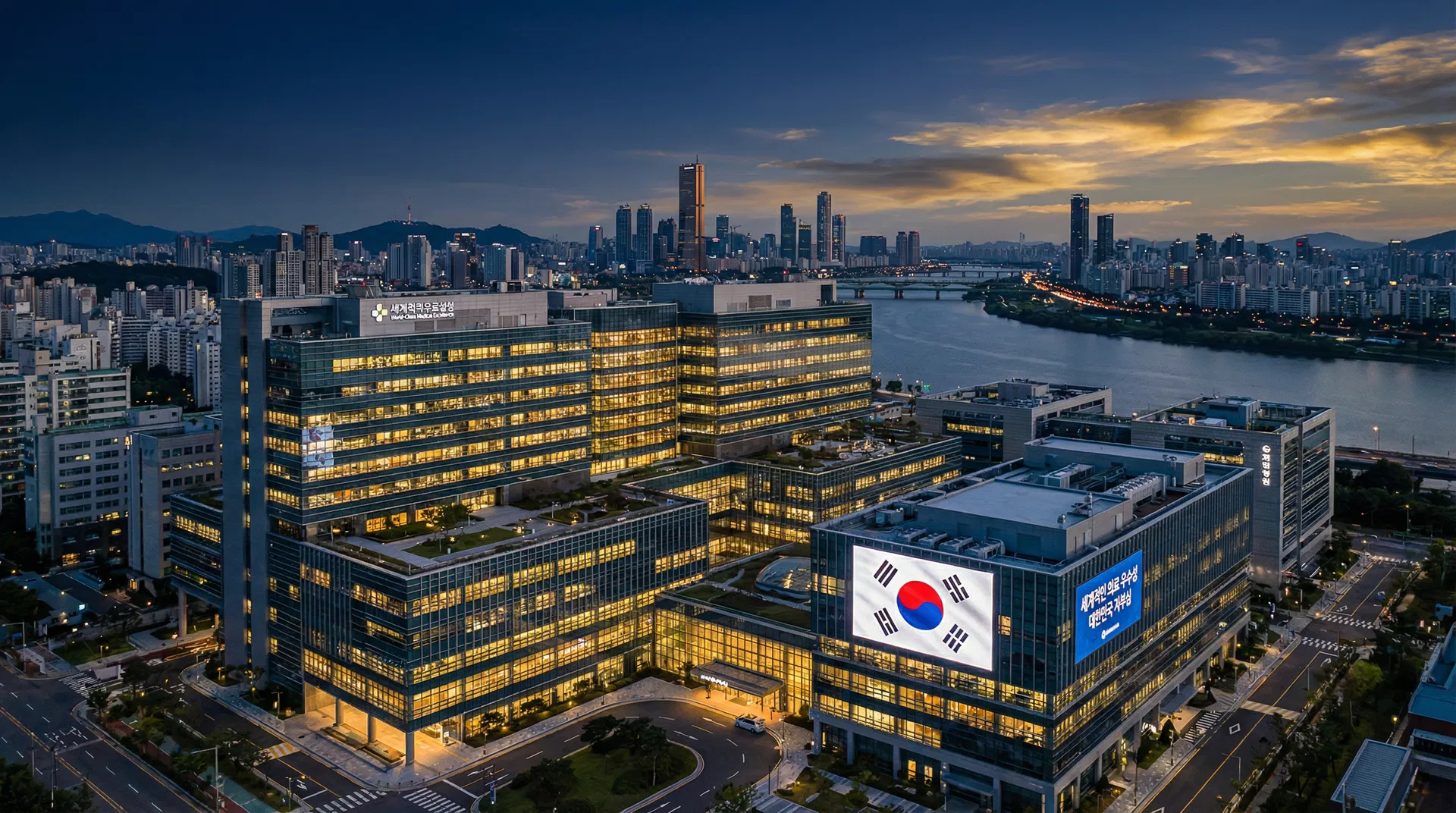
World-Class Care.
Half the Wait.
South Korea.
Korean hospitals rank among the world's finest — with cancer survival rates double the US average and wait times 3× faster. Ligare manages your entire medical journey, from hospital selection to insurance reimbursement.
Korea Among the World's Best
Newsweek's 2026 evaluation — the world's most comprehensive hospital ranking — places South Korea third globally in the number of hospitals in the top 250, behind only the United States and Germany.
Hospitals in Newsweek Global Top 250 (2026)
Source: Newsweek / Statista, World's Best Hospitals 2026
World's Best Specialized Hospitals
Korean hospitals compete directly with Mayo Clinic, Cleveland Clinic, and MD Anderson in the world's most prestigious hospital specialty rankings.
Cancer — World Rankings
Source: Newsweek / Statista — World's Best Specialized Hospitals 2026
Overall World Hospital Rankings 2026
Newsweek World's Best Hospitals 2026 — Selected
Source: Newsweek / Statista — World's Best Hospitals 2026
Korean hospitals earn top-10 rankings across six medical specialties — competing with and outranking the world's most prestigious institutions.
Ranked #3 globally — alongside MD Anderson & Memorial Sloan Kettering
Top 5 globally — outranking Mayo Clinic in cancer care
Top 4 globally in digestive disease treatment
Two Korean hospitals in global top 5 for GI
Top 4 globally in diabetes & hormonal disorders
Top 6 globally in neurological diseases
Top 6 globally in urological conditions
Top 10 globally in bone & joint care
World-Leading Hospitals
Four Korean hospitals rank in the global top 50 — all within the Seoul metropolitan area, competing directly with the world's most prestigious medical institutions.
Samsung Medical Center
Seoul, South Korea · Est. 1994
Korea's #1 ranked hospital in 2026, Samsung Medical Center is a global leader in cancer care, digital health, and complex disease treatment. The world's only hospital to achieve HIMSS Stage 7 in four categories simultaneously.
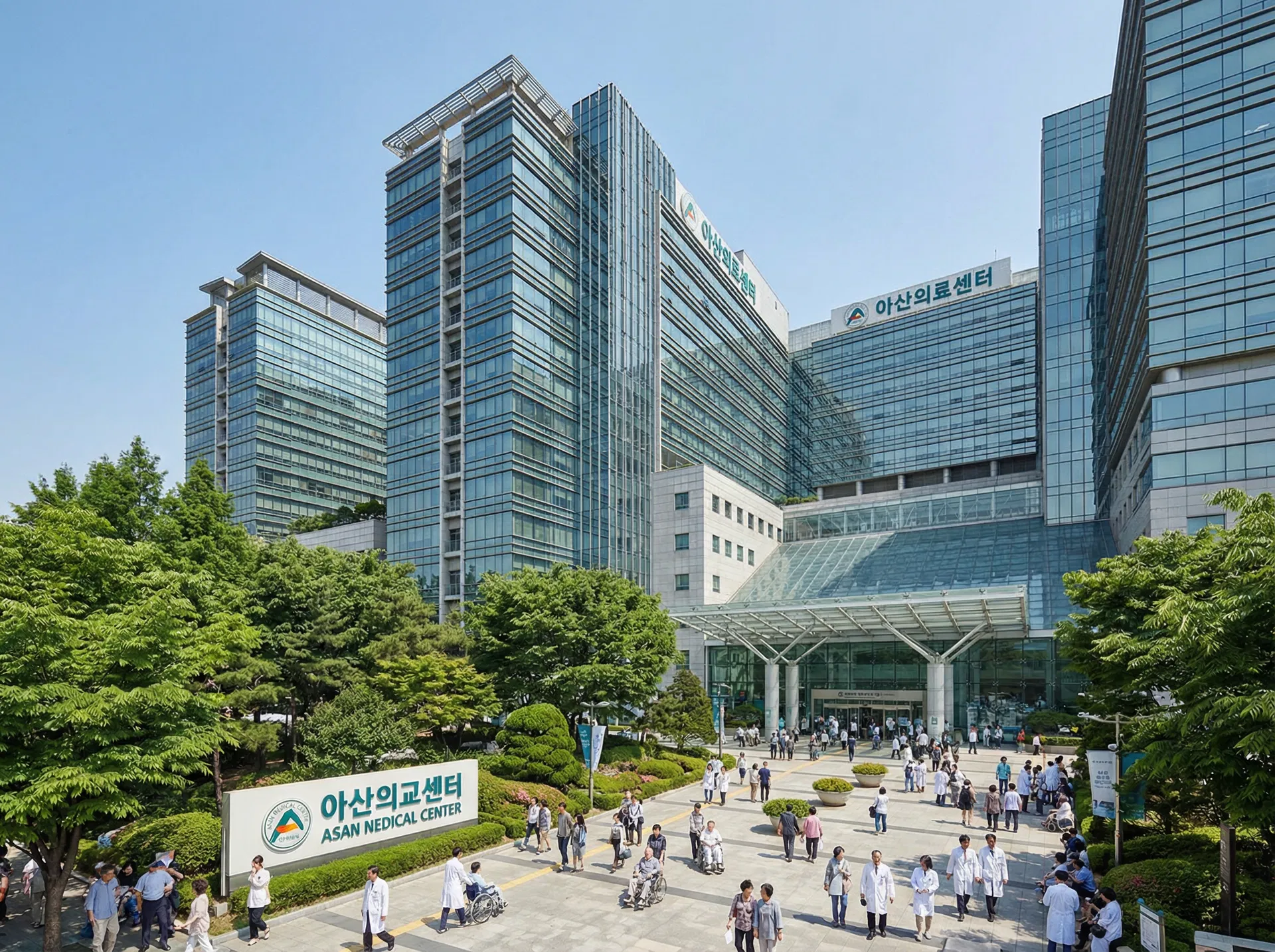
Asan Medical Center
Seoul, South Korea · Est. 1989
Korea's largest hospital and a global center of excellence for complex diseases. AMC holds the world record for liver transplantations and ranks in the global top 10 in six clinical specialties — the most of any Korean hospital.
Severance Hospital
Seoul, South Korea · Est. 1885
Korea's oldest modern hospital (est. 1885) and a world pioneer in robotic surgery. Severance became the world's first institution to perform 40,000 robotic surgeries and is recognized in 8 specialties within the global top 50.
Seoul National University Hospital
Seoul, South Korea · Est. 1885
Korea's premier national hospital and academic medical center. SNUH has led Korean medicine for 139 years, pioneering the country's first IVF baby, first liver transplant, and consistently ranking #1 in Korea's national brand competitiveness index.
Survival Rates: USA vs. Korea
The most compelling argument for Korean cancer care is not financial — it is clinical. Data from SEER (NCI) and Korea Central Cancer Registry (KCCR).
5-Year Survival Rate by Stage
+42.2 percentage points — Korea's survival rate is more than double the US rate for all-stage gastric cancer.
Why Korea Outperforms
Korea operates a national gastric cancer screening program offering biennial endoscopy to all citizens over 40. This detects most cancers at Stage I (97% survival). In the US, gastric cancer is rarely screened for, and most diagnoses occur at advanced stages.
Days from Diagnosis to Surgery
Sources: PMC12433072 (2025), Journal of Surgical Research (2026), Asan Medical Center International Healthcare Center (2025).
Data Sources: SEER Stat Facts (NCI) 2024; Cancer Research and Treatment — Korea Central Cancer Registry (KCCR) 2024; OECD Health Statistics 2024–2025. Survival rates are population-level statistics and individual outcomes vary.
Cost & Time Calculator
Enter your insurance details to instantly compare the true cost of treatment in the USA versus South Korea — including wait time, opportunity cost, and travel.
Best US coverage. Korea may still win on wait time & survival.
Avg. NY professional: $800/day · Florida retiree: $0–$200/day
Korea's advantage is clinical, not just financial. For gastric cancer, Korea's survival rate is more than double the US rate.
Ready to explore your options? Ligare's medical coordinators will guide you through every step.
Book a Health Checkup in Korea
All hospitals below accept foreign patients directly. English reports available. Click any hospital to see packages and book online — or contact Ligare for a fully managed experience.
(vs. weeks of separate US appointments)
(vs. $3,500–$15,000 in the US)
at all listed hospitals
Asan Medical Center
Newsweek Top 30Korea's largest hospital — world record 9,000+ liver transplants
Samsung Medical Center
Korea #1 RankedKorea's #1 ranked hospital — world's only HIMSS Stage 7 in 4 categories
Seoul National University Hospital
National FlagshipKorea's national flagship hospital — 80+ years of medical excellence
Severance Hospital (Yonsei)
Fastest AvailabilityVIP hotel-like checkup experience at Seoul Station — 1:1 escort service
Kangbuk Samsung Hospital
Samsung-affiliated, modern facility in central Seoul — efficient & premium
Yeouido St. Mary's Hospital
Catholic Medical Center — renowned for warmth, foreign patient services
GC IM&D (녹십자아이메드)
Korea's largest dedicated checkup network — systematic, fast, affordable
KMI Korean Medical Institute
Nationwide standardized checkup network — affordable, reliable, fast results
Not sure which hospital to choose?
Ligare's medical coordinators will match you with the right hospital based on your medical history, budget, and schedule — and handle all bookings on your behalf.
Your Guide to Korean Healthcare
Ligare is a US-based medical concierge service that manages every aspect of your Korean medical journey — from hospital selection to insurance reimbursement.
Florida Senior
Medicare doesn't cover overseas care. But Korea's gastric cancer survival rate is 77.9% vs. 35.7% in the US. For seniors facing a cancer diagnosis, Korea is a life-changing option.
New York Professional
A full-body VIP checkup in Korea — PET-CT, Brain MRI, Heart CT — takes one day and costs $3,780–$5,700. In New York, the same tests cost $8,000–$15,000 and take 6–8 weeks to schedule.
Silicon Valley Executive
Korea's one-stop checkup system delivers comprehensive results in 24–48 hours. No 6-week wait for specialist referrals. One trip, complete picture.
What Ligare Does For You
End-to-end management of your Korean medical journey
Hospital Matching
We analyze your medical records and match you with the optimal Korean hospital and specialist for your condition.
Medical Record Translation
Full translation and formatting of your US medical records for Korean hospital intake — HIPAA-compliant.
Travel & Logistics
Flight booking, airport pickup, hospital-adjacent accommodation, and daily transportation arranged for you.
On-Site Coordination
A dedicated English-speaking coordinator accompanies you to every appointment, translating and advocating.
Post-Treatment Follow-Up
We coordinate with your US physician for seamless continuity of care after you return home.
Insurance Reimbursement
We prepare your PPO out-of-network claim documentation to maximize reimbursement from BCBS, Aetna, Cigna, or UHC.
Free Initial Consultation
No commitment. Our medical coordinator will respond within 24 hours.
Korea's World-Class Physicians
Korean doctors are recognized globally for their research impact. In 2025, 12 Korean physicians were named to Clarivate's Highly Cited Researchers list — placing them in the top 1% of scientists worldwide by citation count.
Clarivate Top 1% Highly Cited Researchers 2025
World-leading lung cancer researcher with global impact on targeted therapy protocols.
Internationally recognized for breakthrough research in lung cancer and immunotherapy.
Pioneer in gastric cancer treatment research with globally cited clinical trials.
Leading expert in gastrointestinal cancer treatment and clinical research.
Renowned for breast cancer research and precision oncology innovations.
Pioneer in gastric cancer treatment with decades of internationally recognized research.
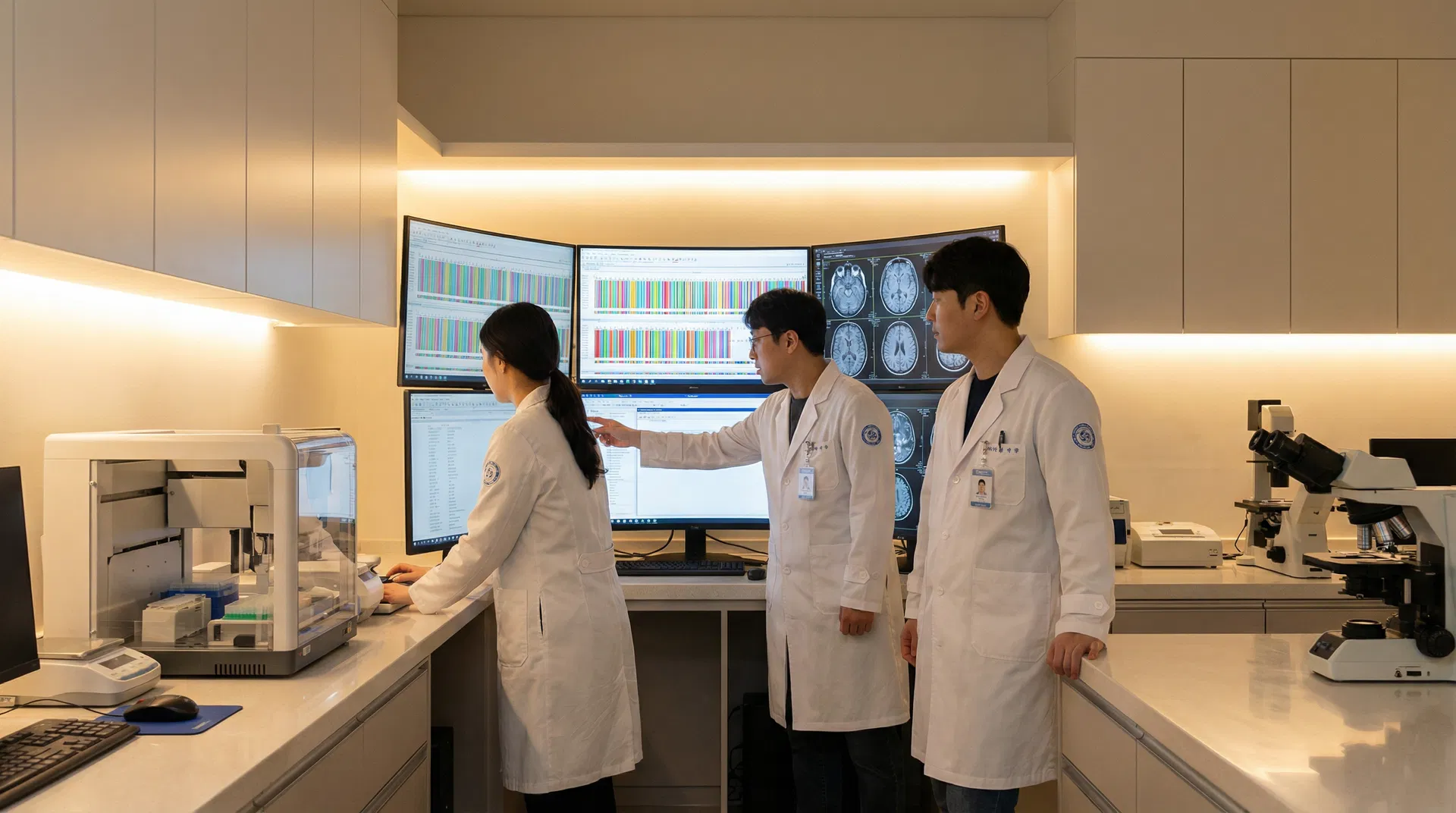
Korea's Medical Education System
Korean medical school is among the most competitive in the world — acceptance rates below 5% at top universities. The 6-year program followed by mandatory residency produces physicians with exceptional technical skills and clinical knowledge.
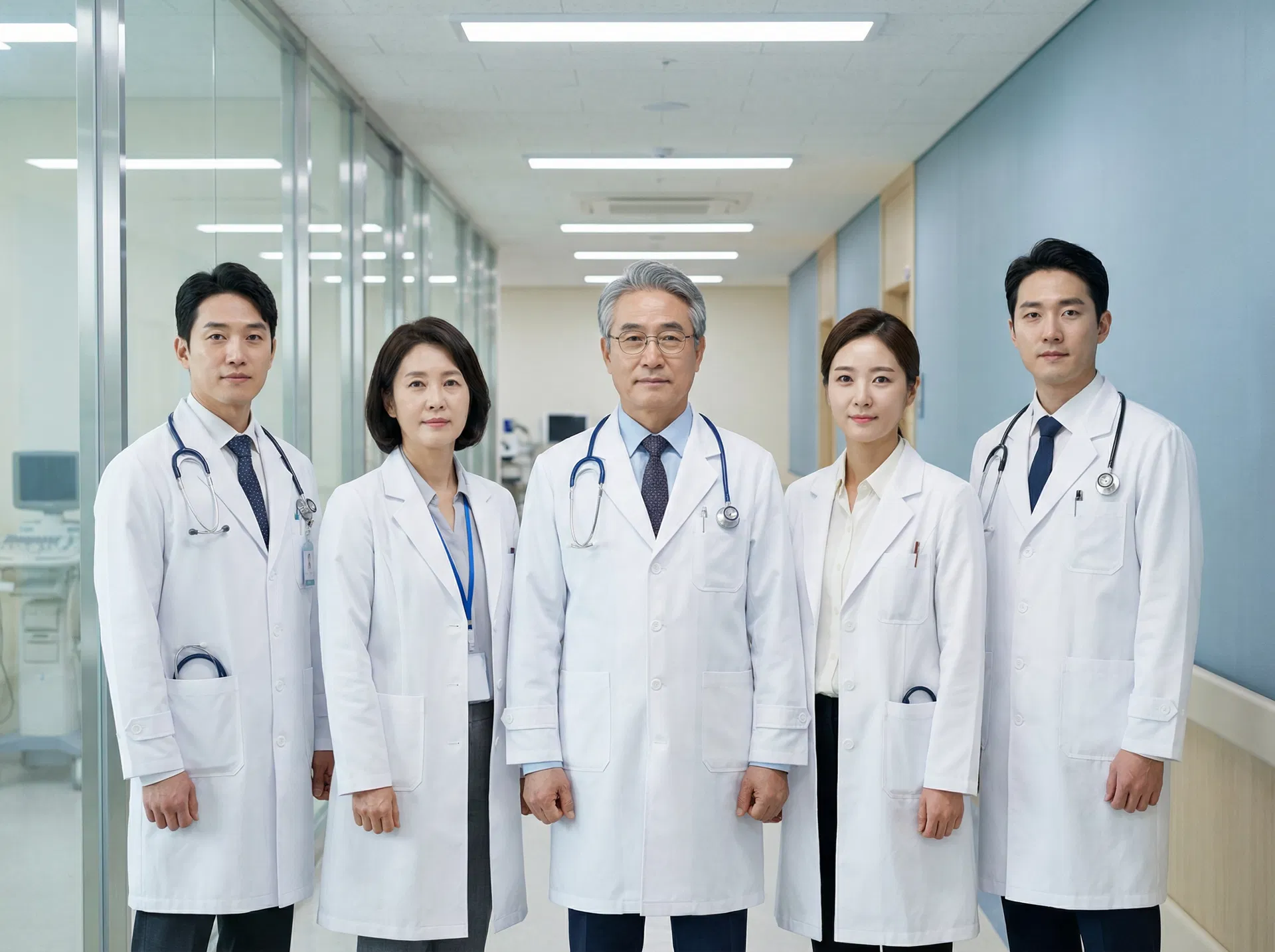
The World Chooses Korea
In 2024, a record 1.17 million international patients traveled to South Korea for medical care — a 93% increase from the previous year, from 202 countries worldwide.
Top Countries Sending Patients to Korea
Source: KHIDI (Korea Health Industry Development Institute), 2024
Most Sought-After Specialties
Medical Milestones
Korean hospitals have set multiple world records and pioneered medical breakthroughs that have changed the global standard of care.
First Liver Transplant at Asan Medical Center
Beginning of Korea's world-leading organ transplant program
Severance Performs Korea's First Robotic Surgery
First robotic prostatectomy and cholecystectomy in Korea
Severance Achieves JCI Accreditation
First Korean hospital to achieve Joint Commission International accreditation
Samsung Medical Center — Korea's First ICU Specialist System
Pioneered intensive care medicine department with multidisciplinary teams
Samsung Medical Center — Korea's First CAR-T Cell Therapy
Highest number of CAR-T treatments nationwide
Severance — World's First 40,000 Robotic Surgeries
Single institution world record for robotic surgical procedures
Samsung Medical Center — First da Vinci Surgery in Asia
Dr. Jeon Seong-su performs Asia's first procedure with latest da Vinci system
Asan Medical Center — World's First 9,000 Liver Transplants
Single institution world record with 98% one-year survival rate
Why Korean Healthcare Leads the World
Six data-backed reasons why South Korea has become one of the world's most trusted destinations for advanced medical care.
World-Record Surgical Volumes
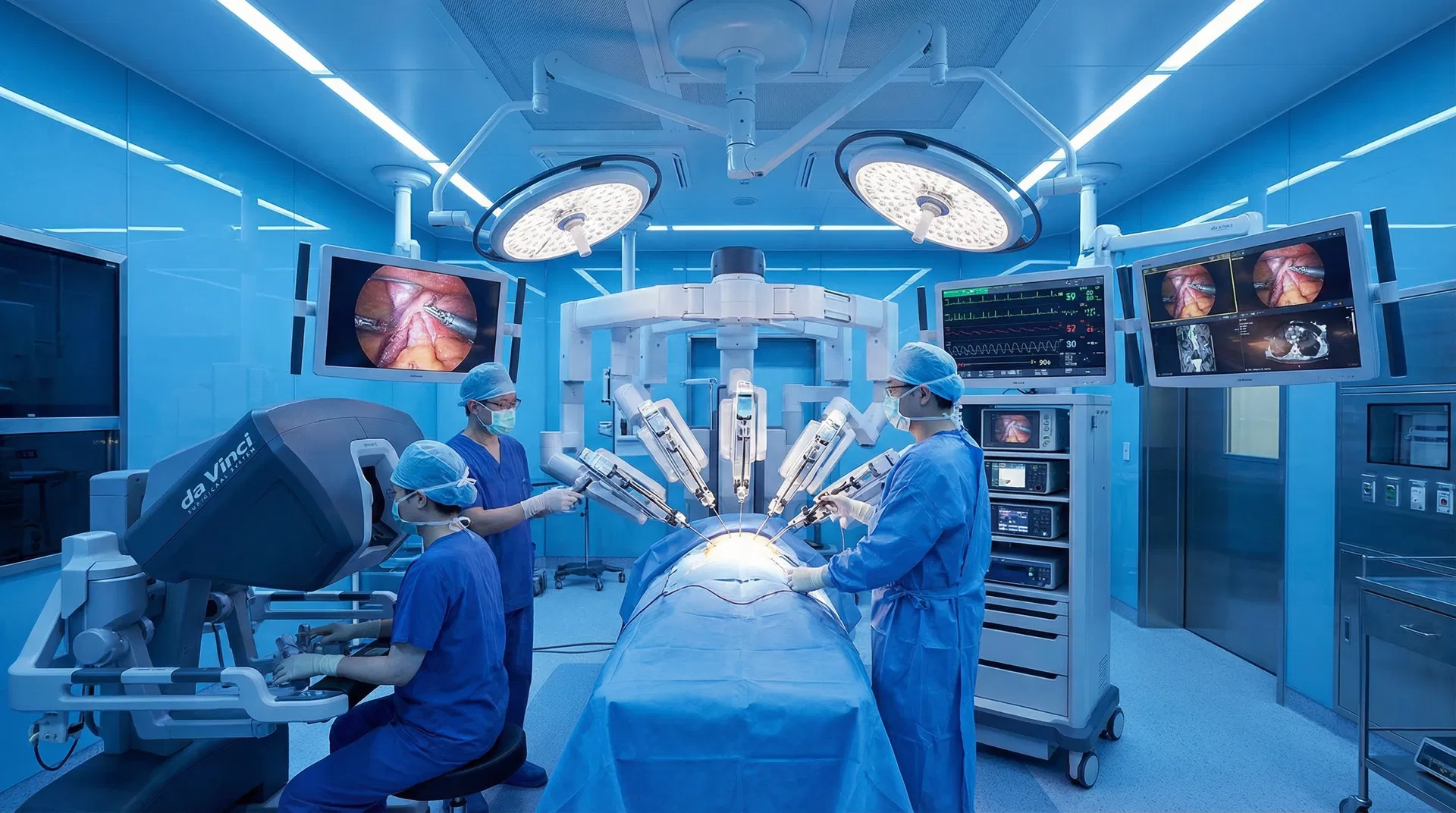
Korean hospitals perform procedures at volumes that build unmatched expertise. Asan Medical Center has performed over 9,000 liver transplants — a world record. Severance Hospital has performed over 40,000 robotic surgeries — another world record. High volume directly correlates with better outcomes.
Technology Leadership
Samsung Medical Center is the world's only hospital to achieve HIMSS Stage 7 in four categories simultaneously. Korean hospitals were among the first globally to adopt AI-assisted diagnosis, robotic surgery, proton therapy, and CAR-T cell therapy.
Superior Clinical Outcomes
Korea's 5-year gastric cancer survival rate of 78.4% is among the world's highest. Asan Medical Center's liver transplant 1-year survival rate of 98% significantly outperforms the US national average of 84.6%. Korean hospitals consistently outperform global benchmarks.
Elite Medical Education
Korean medical schools accept fewer than 5% of applicants. The rigorous 6-year program followed by mandatory residency and fellowship training produces physicians with exceptional skills. Korean doctors regularly train at and collaborate with the world's top institutions.
Research Excellence
12 Korean physicians are in Clarivate's Top 1% of Highly Cited Researchers (2025). Korean medical research is published in the world's top journals, with Korean oncologists leading global clinical trials that define international treatment standards.
Accessible World-Class Care
Korea's universal healthcare system ensures that world-class medical care is accessible to all citizens. For international patients, Korean hospitals offer treatment costs 30–70% lower than equivalent care in the USA, with no compromise in quality.
A 93% increase from the previous year, from 202 countries — reflecting the world's growing recognition of South Korea as a global center of medical excellence.